
Heritage and History
Explore thousands of years of Palauan culture and history
An Open-Air Museum
Across Palau’s islands, history is never far away. Visitors can explore the remains of wartime airfields, hidden bunkers, and relics left behind during the Second World War.
Sites such as Peleliu Island still contain numerous historical landmarks connected to the events of 1944. For many visitors, exploring these locations offers a powerful perspective on the global conflict that once reached these remote islands.
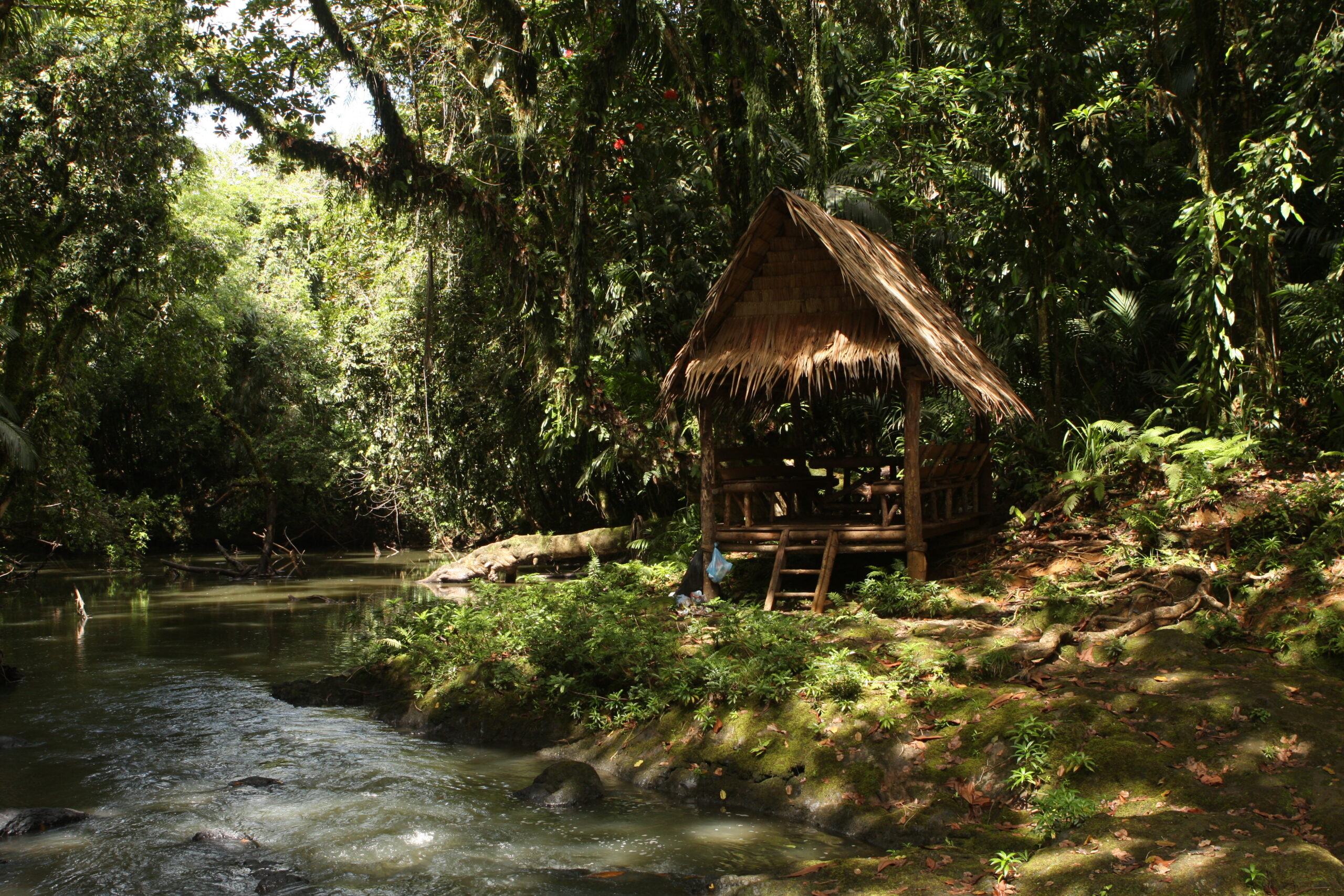
Combined with Palau’s stunning natural landscapes, these historical sites create a unique experience where history and nature exist side by side.

Ancient Palau – The First Islanders
Long before European ships reached the western Pacific, the islands of Palau were already home to skilled seafarers and thriving communities. Archaeological evidence suggests that Palau was first settled around 3,000 years ago by Austronesian voyagers who navigated vast distances across the Pacific Ocean using stars, winds, and ocean currents.
These early settlers established villages across the archipelago, developing a way of life deeply connected to the sea and the land. Fishing, taro cultivation, and inter-island trade formed the foundation of early Palauan society. Communities were organised into clans and villages led by chiefs, with strong traditions of cooperation and shared responsibility.
Over generations, the Palauan people developed a distinct culture shaped by their environment. Their knowledge of the ocean, reef systems, and weather patterns allowed them to thrive in a region where survival depended on deep understanding of nature.
Many of these traditions continue today, forming the cultural backbone of modern Palauan society.
Spanish Era – First European Contact
European contact with Palau began in the 16th century when Spanish explorers reached the islands during their voyages across the Pacific. For much of this period, however, Spain’s presence remained distant, with limited direct influence on everyday life in Palau.
It was not until the late 1800s that Spain formally claimed the islands as part of its colonial holdings. Missionaries were among the first to establish a lasting presence, introducing Christianity and building churches and schools. These changes began to shape new aspects of community life, while many traditional practices continued alongside them.
Despite these developments, Palau remained relatively remote within the Spanish Empire. Local leadership structures and cultural traditions largely endured, blending gradually with new religious and cultural influences introduced from abroad.
German Rule – A Shift in Administration
In 1899, following Spain’s defeat in the Spanish-American War, Palau was sold to Germany. This marked the beginning of a new colonial chapter, with a stronger focus on administration and economic development.
The German government introduced organised systems of governance and began developing plantation agriculture, particularly for crops like copra. Infrastructure improvements, including roads and basic facilities, were also introduced during this period.
While German rule brought more structured oversight, it was relatively short-lived. Even so, it left a lasting impact on land use and economic patterns, setting the stage for further changes under the next colonial power.
Japanese Period – Rapid Development and Change
After World War I, Palau came under Japanese control as part of a League of Nations mandate. This period brought significant transformation, as Japan invested heavily in infrastructure, industry, and population growth.
Koror became a major administrative and economic centre, and thousands of Japanese settlers moved to the islands. New industries such as fishing, mining, and manufacturing expanded rapidly, reshaping both the landscape and daily life.
For Palauans, this era brought new opportunities as well as challenges. While education and modern facilities improved, traditional ways of life were increasingly influenced by external systems. By the early 20th century, Palau had become a key hub in Japan’s Pacific network.
World War II – A Strategic Battleground
During World War II, Palau’s strategic location made it a focal point in the Pacific conflict. Japanese forces fortified the islands, building airstrips, bunkers, and defensive positions across the archipelago.
In 1944, Palau became the site of intense fighting between Japanese and Allied forces, particularly during the Battle of Peleliu. The conflict brought widespread destruction and had a profound impact on both the land and its people.
Following the war, much of Palau’s infrastructure was damaged, and communities began the long process of recovery. The end of the conflict also marked the beginning of a new political era under United States administration.
Independence – A Sovereign Nation
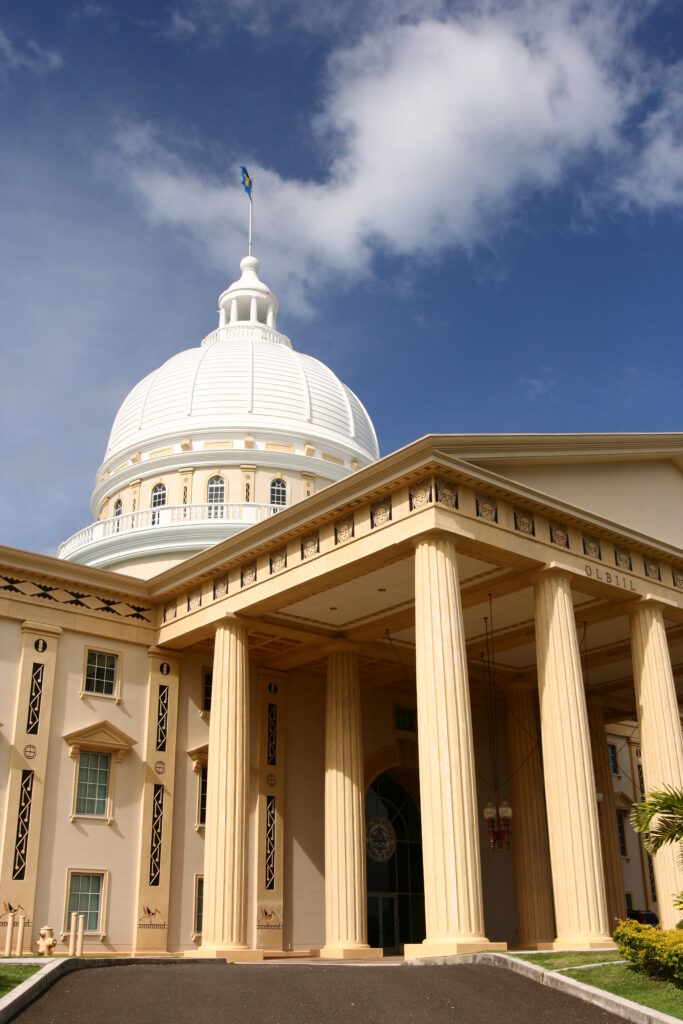
After World War II, Palau became part of the Trust Territory of the Pacific Islands, administered by the United States. In the decades that followed, Palauans worked toward self-governance, shaping a political future that reflected their values and priorities.
In 1994, Palau officially became an independent nation under a Compact of Free Association with the United States. This agreement established Palau as a sovereign state while maintaining close economic and security ties.
Today, Palau is recognised globally for its leadership in environmental protection and marine conservation. Rooted in centuries of tradition and shaped by its history, the nation continues to balance cultural heritage with a forward-looking vision for sustainability.

Living Culture
Despite centuries of change, Palau’s cultural traditions remain a vital part of everyday life. Many customs, social structures, and values passed down through generations continue to shape modern communities across the islands.
Traditional Leadership and Village Life
Palauan society has long been organised around villages and clans led by traditional chiefs. These leaders play an important role in guiding community decisions and maintaining cultural practices.
Traditional meeting houses, known as bai, remain important symbols of community life. These beautifully carved wooden structures serve as places where village leaders gather to discuss matters affecting the community.
Cultural Practices and Crafts
Storytelling, dance, and craftsmanship remain central to Palauan culture. Traditional dances are often performed during celebrations and community gatherings, preserving stories and cultural values through movement and music.
Handwoven mats, carved wooden panels, and traditional canoes reflect generations of artistic skill and craftsmanship. Many of these techniques continue to be taught and practiced today.
Food and Community
Food plays an important role in Palauan culture and social life. Traditional dishes often feature fresh fish, taro, coconut, and tropical fruits.
Meals are commonly shared among families and communities, reflecting the strong sense of connection and hospitality that defines Palauan society.